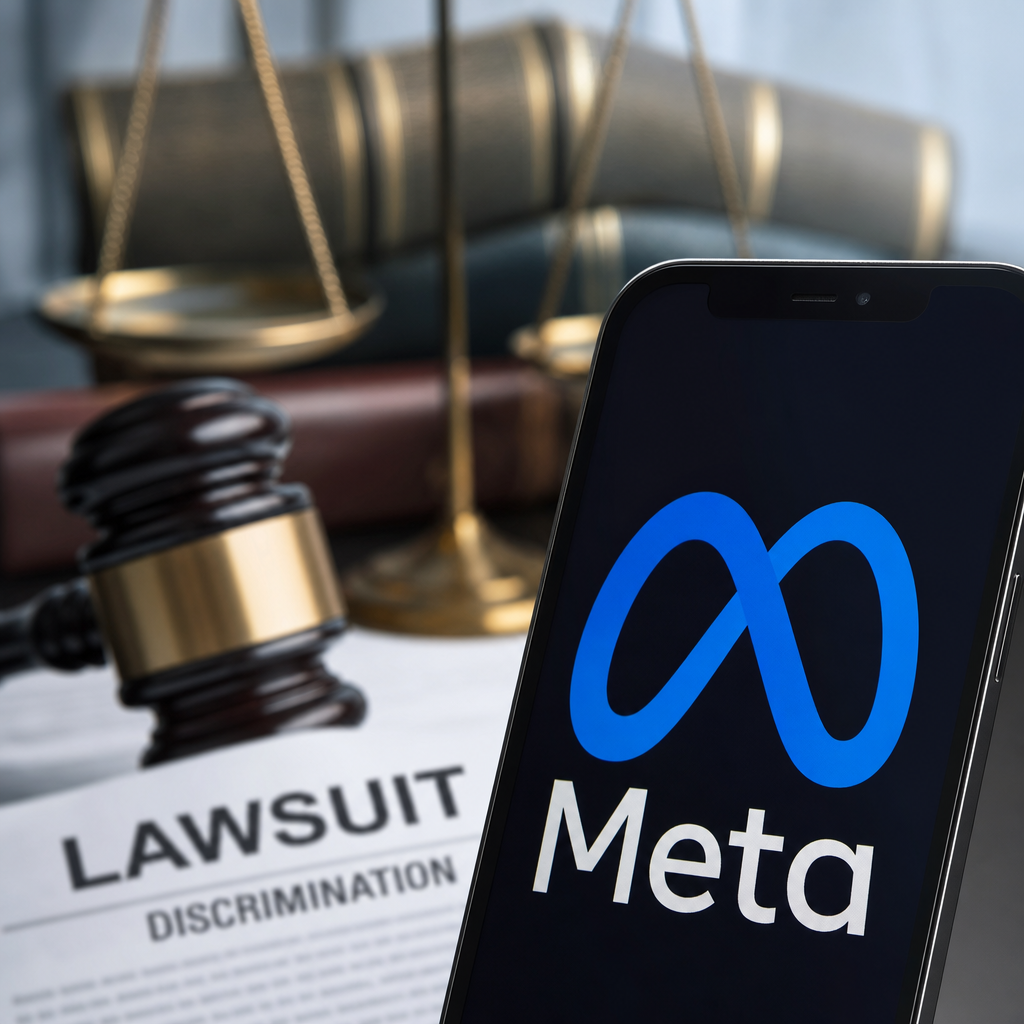
Lawsuit Against Meta Highlights the Intersection of AI and Employment Discrimination
Imagine waking up to discover that you’re out of a job—not because of a lack of talent or work ethic, but because a machine algorithm made an impersonal decision. That’s the stark reality facing many current and former employees of Meta, as they allege the tech giant has utilized AI in a manner leading to discriminatory layoffs. This legal battle promises to shed light not only on AI’s role in corporate decision-making but also on its broader implications for employment and ethics in technology.

The news of this lawsuit couldn’t have come at a more pivotal time. Technology continues to reshape industries and redefine the job market, with artificial intelligence standing at the forefront. However, the use of AI in employment decisions raises ethical concerns and questions about fairness and accountability.

Understanding the Allegations
Central to this lawsuit is the claim that Meta used AI algorithms to decide on layoffs based on biased criteria. The plaintiffs argue that such practices disproportionately affected employees of certain demographics, including race and age. This raises important questions about the transparency of AI systems and their suitability for critical decision-making processes.
Moreover, this case highlights inherent challenges in AI governance. How can companies assure that their AI is free from bias and operates fairly across all employee categories?
The Role of AI in Human Resources
With its enhanced capabilities, AI has been integrated increasingly into human resources operations. Companies are using AI for everything from resume screening to performance analytics. However, the reliance on AI for workforce planning and layoffs remains controversial.
This reliance poses the risk of embedding existing biases into algorithms, potentially leading to discriminatory outcomes. An algorithm is only as good as the data it is trained on, and if that data contains bias, the outcomes will likely reflect it.
Implications for Employment Policies
The demands of the current lawsuit could have far-reaching implications for employment policies across the industry. If the allegations hold true, companies may need to rethink their reliance on AI for decision-making processes that can impact an employee’s career and livelihood.
With an eye on fairness and transparency, organizations might need to invest more in AI audit processes and establish clear guidelines on its application in human resources functions.
Steps Toward a Fair AI Future
- Implement Regular Audits: One way to ensure accountability is through regular audits, which can evaluate AI systems for bias and help make algorithmic decisions transparent to stakeholders.
- Upgrade Training Data: Enriching training datasets to represent a more diverse group of individuals can help minimize bias and produce fairer outcomes.
- Foster Collaboration: Collaboration between AI developers, ethicists, and human resources experts is crucial for creating balanced AI systems that reflect organizational values of equality and fairness.
A Global Perspective
The Meta lawsuit is not an isolated case; it’s part of a global conversation about AI ethics and corporate accountability. As AI becomes more integrated into everyday decision-making, its impact on employment practices is receiving increased scrutiny worldwide.
This global perspective underscores the need for multinational regulations and guidelines that can offer a consistent approach to AI implementation in human resources.
| Challenges | Suggested Solutions |
|---|---|
| Bias in AI Algorithms | Regular audits and enhanced training data |
| Lack of Transparency | Clear guidelines and external evaluations |
| Accountability | Multi-stakeholder collaboration |
As this lawsuit unfolds, the spotlight will remain on Meta and other tech companies to see how they address these pressing issues. The outcome may not only influence AI’s future in the workplace but also showcase the necessity for creating systems that prioritize human welfare over algorithmic convenience.