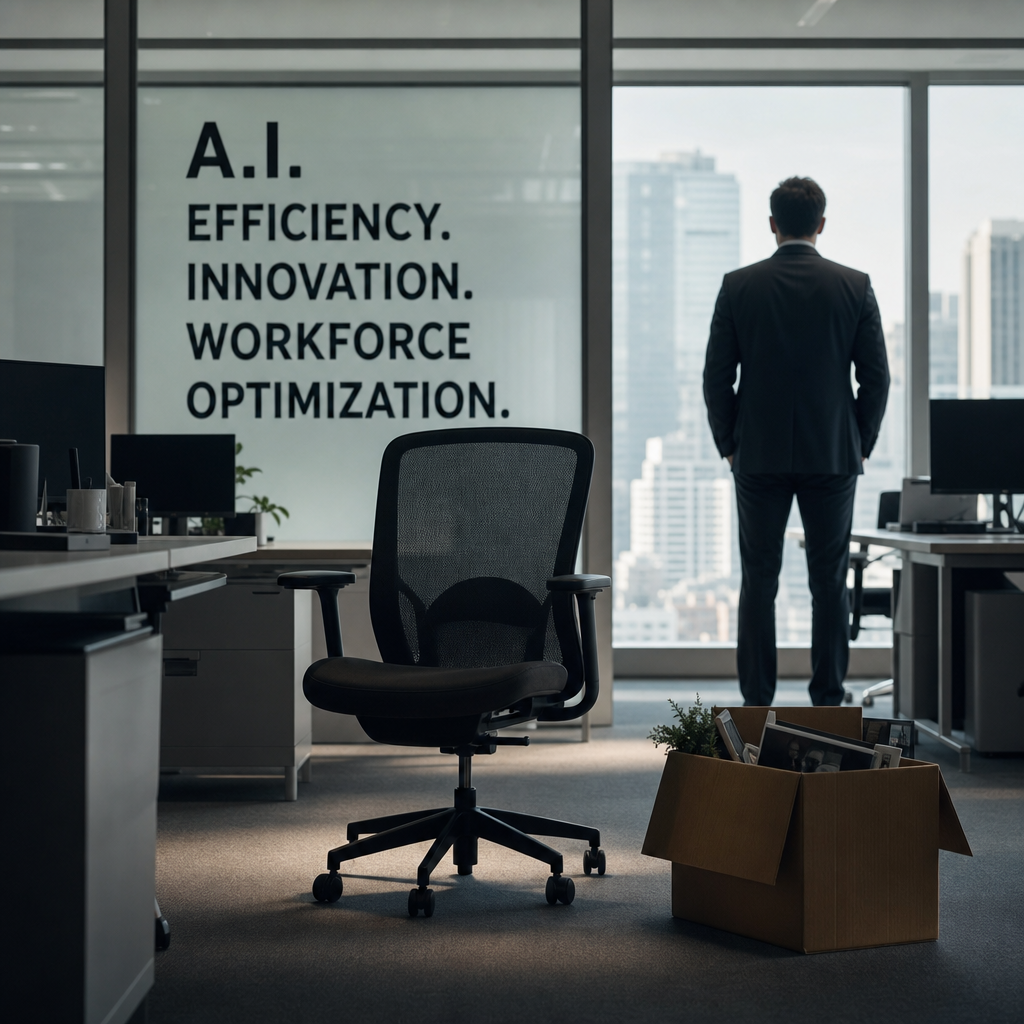
The Paradigm Shift: Embracing Intelligent Assistance Over Traditional AI
In today’s rapidly evolving technological landscape, the buzzword is AI. But beneath the surface, a silent revolution is making waves: Intelligent Assistance. The focus is gradually shifting from generic AI to smart, intuitive systems that assist users in more personalized and meaningful ways.

While AI has dominated headlines with tales of futuristic applications and smart robots, the reality for most consumers and businesses is a bit different. It’s not about creating sentient machines but enhancing human tasks and decision-making processes. Intelligent assistance is where the real transformation is happening, providing tangible benefits here and now.

Understanding Intelligent Assistance
Intelligent assistance is about enhancing productivity and efficiency by integrating technology that understands human needs implicitly. It’s the technology that listens, adapts and acts in accordance with individual preferences and requirements.
At its core, intelligent assistance combines the best of AI—its processing strength and vast data analysis capabilities—with human touchpoints. This hybrid approach allows for more intuitive and adaptive applications, revolutionizing everyday tasks.
The Key Components
- Natural Language Processing (NLP): NLP enables systems to understand and interpret human language, making conversations with machines and software applications more natural and fluid.
- Machine Learning: By learning from user interactions, intelligent systems can anticipate needs and offer suggestions or solutions proactively.
- Contextual Awareness: Intelligent systems can access contextual information like location, time, and user activity to provide more relevant assistance.
Applications of Intelligent Assistance
Unlike traditional AI solutions, which often require significant management and input from users, intelligent assistance offers subtle yet powerful support across various areas.
From personal technology to enterprise solutions, intelligent assistants are proving indispensable in modern life.
In Personal Life
Consider how smart home devices optimize energy consumption based on your habits or digital assistants that manage your calendar and commute. These are genuine examples of intelligent assistance enhancing how we live.
For Businesses
Intelligent assistance in customer service employs chatbots that learn from interactions to solve customer queries more efficiently without human mediation. CRM systems are becoming smarter, analyzing customer data to reveal insights and predict trends effortlessly.
Comparing Traditional AI and Intelligent Assistance
To fully understand the shift in accentuating intelligent assistance, we should contrast it with the more monolithic view of AI development.
| Aspect | Traditional AI | Intelligent Assistance |
|---|---|---|
| Implementation | Focuses on replacing human activity. | Aims at augmenting human capabilities. |
| Complexity | Often complex and out of reach for average users. | Simplified interfaces and easy adoption in daily activities. |
| Interactivity | Primarily reactive: operates upon request. | Proactive and intuitive: anticipates user needs. |
The Road Ahead
As intelligent assistance continues to evolve, its focus will likely remain on including more human-centric features. Personalization and adaptability stand out as further innovations will lean on these pillars to provide genuine utility to individuals and organizations.
The cultural impact will assuredly manifest as intelligent assistants become more integrated into daily experiences. As they do, public perception will pivot, aligning more closely with how these technologies inherently support and improve human decision-making and productivity.