Is Artificial Intelligence Threatening Tech Jobs or Justifying Layoffs?
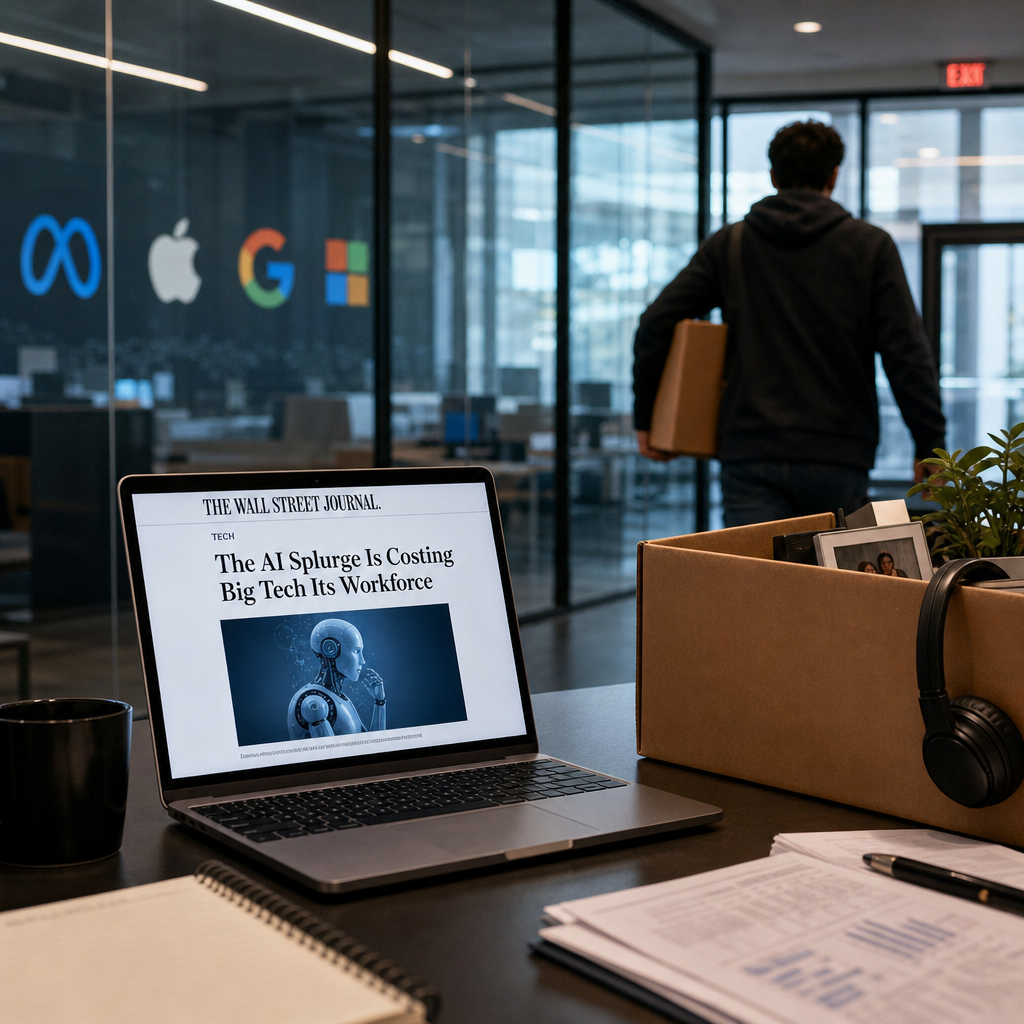
The advent of artificial intelligence (A.I.) has invariably turned heads across industries, promising innovations and advancements unparalleled in history. However, the tech sector—which stands at the forefront of this change—is seemingly caught between the chairs. Discussions have heightened around whether A.I. is starkly replacing tech jobs or merely serving as a perceived scapegoat for broader, financially-driven job eliminations.

Massive layoffs in tech companies are leaving many professionals worried. As A.I. rolls into operational processes, some patterns suggest a correlative reduction in human labor. Is this just the inevitable progression towards efficiency, or are companies jumping the gun, using A.I. as a cover to cut costs and boost profitability?

The Surge of A.I. in the Workforce
The use of A.I. in business operations has exploded in recent years. Tech giants invest heavily in developing and deploying machine-learning solutions. From automation of routine tasks to advanced data analytics, A.I. is becoming an integral part of digital transformation.
While A.I.’s potential to cut costs and improve efficiency is undeniable, its impact on employment dynamics is complex. With every advancement, the question resurfaces: does A.I. inherently lead to lay-offs or does it create new opportunities in tech?
Pros of A.I. in the Workplace
- Increased efficiency and productivity
- Enhanced decision-making capabilities
- New roles in A.I. development and management
Cons of A.I. in the Workplace
- Potential for job displacement
- High initial costs of implementation
- Ethical concerns and decision-making biases
Statistics: A Grounded Perspective
To illustrate the impact of A.I., we must look at the numbers. A study by the World Economic Forum suggests that while A.I. may displace 85 million jobs by 2025, it will also create 97 million new roles. The net effect is forecasted to be positive.
| Year | Jobs Lost (Millions) | Jobs Created (Millions) |
|---|---|---|
| 2021 | 5 | 7 |
| 2022 | 10 | 12 |
| 2023 | 14 | 18 |
Is A.I. Really to Blame for Tech Layoffs?
While A.I. often takes the blame for job cuts, the reality could be more nuanced. Several technology companies facing economic pressures lean on A.I. narratives to justify downsizing. The pandemic and global economic shifts compound these challenges, influencing employment strategies.
Executives argue that efficiency gains through A.I. adoption allow for redirection of human resources into more strategic roles. Yet, skepticism remains on whether these positions are genuinely being created or just a temporary narrative.
Re-skilling: The Way Forward
As A.I. evolves, the tech workforce must adapt. Upskilling and reskilling programs are being emphasized across industries to safeguard against unemployment. Companies must invest in their workforce to transition towards A.I. proficiency.
The responsibility lies on both the organizations and the individuals to embrace the changing landscape. Teaching employees to operate alongside machines is not just beneficial but necessary for long-term success.