Defending Against AI Cyber Threats: The Urgent Call from Tech Leaders
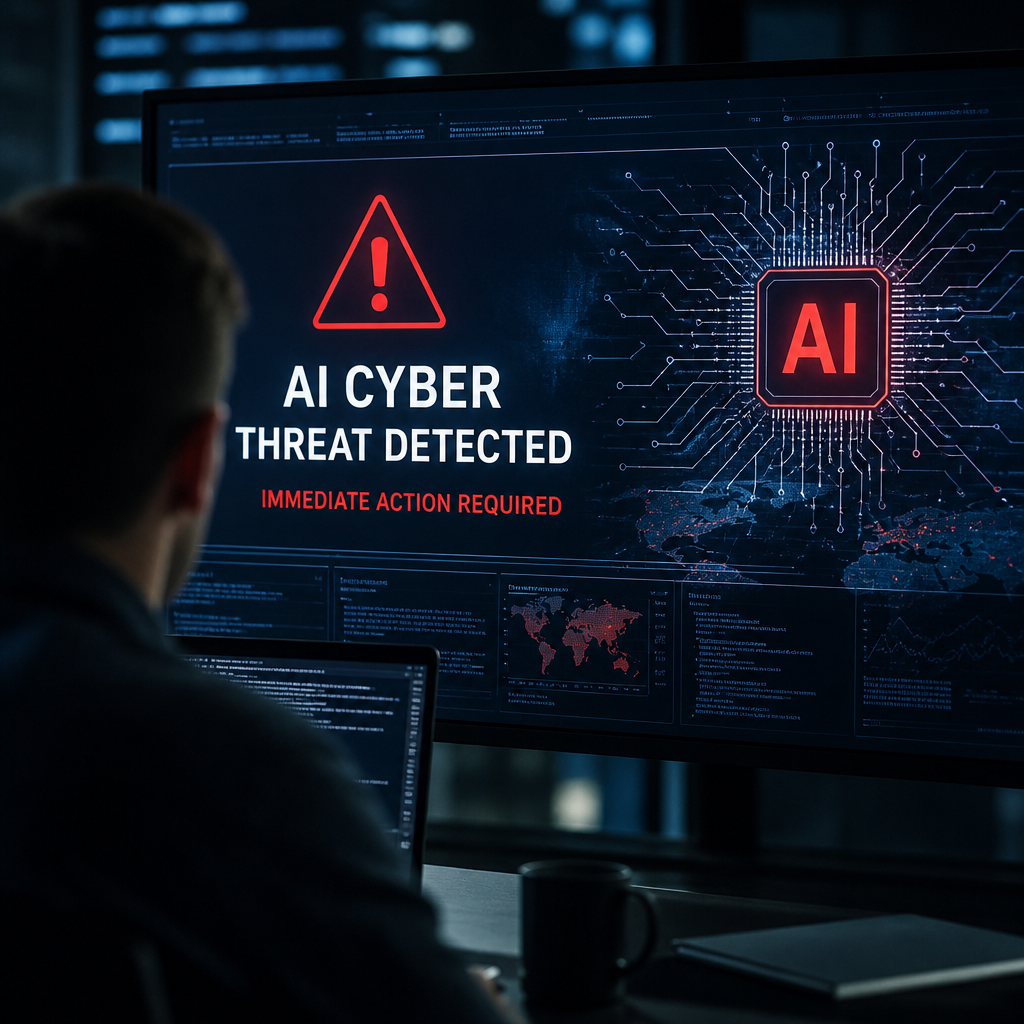
With the power of artificial intelligence rapidly advancing, the landscape of cybersecurity is being fundamentally reshaped. OpenAI and other tech forerunners like Anthropic have spotlighted an alarming truth: there’s only a limited window to brace for a new wave of AI-enabled cyber threats.

Understanding the gravity of this situation, tech leaders are rallying to address the potential for AI to be weaponized by malicious actors. They urge immediate action to protect our digital infrastructures. Without strategic defenses, the scale of potential disruptions could be unprecedented, affecting governments, enterprises, and individuals alike.

The Growing Threat of AI in Cybersecurity
The rise of AI offers incredible opportunities but also poses significant risks. Cybercriminals are increasingly leveraging AI technologies to automate attacks, making them more sophisticated and harder to detect.
This shift in the threat landscape necessitates a revolutionary approach to cybersecurity, where traditional methods might no longer suffice.
Key Challenges
- Automation of Cyber Attacks: AI algorithms are enabling criminals to automate complex attacks, reducing the need for extensive manpower and resources.
- Enhanced Phishing Techniques: AI can craft personalized phishing messages that are highly convincing, increasing the success rate of these attacks.
- Evading Detection: Advanced AI systems can learn from current cybersecurity defenses and adapt to evade them.
Proactive Measures to Mitigate Threats
In light of these emerging threats, the importance of proactive measures cannot be overstressed. Implementing robust AI-driven security protocols is essential.
Building innovative cybersecurity frameworks that incorporate AI can help anticipate and neutralize potential threats before they manifest.
Strategies for Defense
- AI-Powered Monitoring Systems: Deploying AI for real-time monitoring can detect anomalies faster and with greater accuracy.
- Collaboration Between Sectors: Governments, private sectors, and tech companies must collaborate more closely to share insights and create unified defense mechanisms.
- Continuous Learning and Adaptation: Cybersecurity protocols must evolve continuously, learning from new threats to remain effective.
| Strategy | Description |
|---|---|
| AI-Powered Monitoring | Implement surveillance systems using AI for enhanced threat detection. |
| Cross-Sector Collaboration | Encourage partnerships between different sectors to strengthen defense strategies. |
| Adaptive Protocols | Develop security protocols that evolve based on the latest threat intelligence. |
Conclusion
The warning from tech giants like OpenAI and Anthropic emphasizes the urgency of addressing AI-related cyber risks. Inaction could leave critical systems exposed to attacks with potentially devastating consequences.
To secure our digital future, adopting AI-driven security measures and fostering cooperation across industries is crucial. The next generation of cyber threats is looming, but with decisive action, we can safeguard our systems against the ominous potentials AI brings to the cyber battlefield.