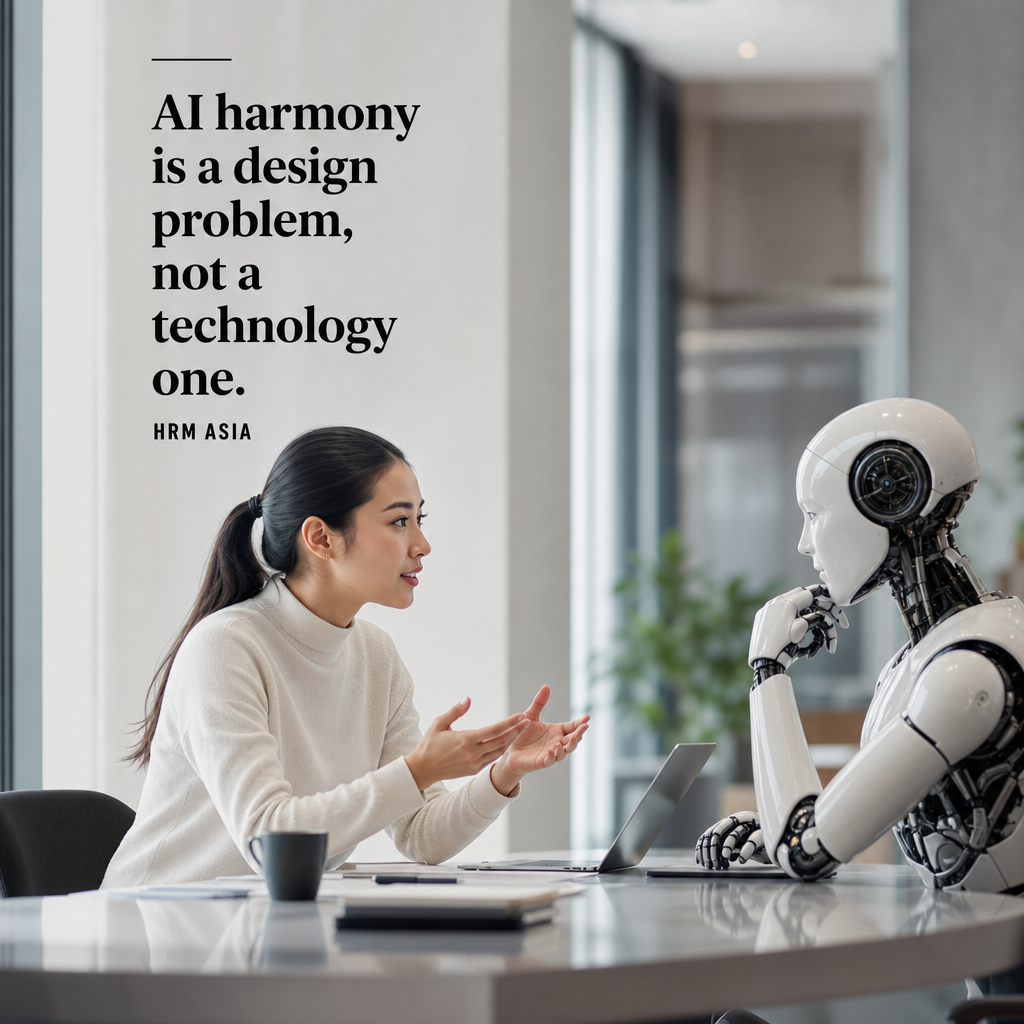
AI Harmony: A Design Challenge Shaping the Future
The world is on the brink of technological evolution, yet amid the exciting advancements in artificial intelligence, there’s a deeper conversation taking place. The debate isn’t about outwitting machines or reaching a technological apex; it’s about integrating AI into human life seamlessly. AI harmony remains a design problem at its core, not merely a technological feat.

While companies and tech enthusiasts race toward the latest AI breakthroughs, the path to ensuring these technologies serve humankind necessitates innovative design. As much as technology advances, it will only achieve its full potential by emphasizing human-centric design principles and ethical implications.

Understanding the Design Challenge
Creating artificial intelligence that harmonizes with society requires us first to comprehend the design hurdle it presents. The design challenge with AI is not about building smarter algorithms; instead, it’s about crafting experiences that align with human values and context.
Human-Centric Design Principles
Human-centric design ensures that AI tools elevate the human experience rather than detract from it. This involves empathizing with users, prototyping to test solutions, and iterating frequently.
- Empathy: Understanding the users’ needs, fears, and expectations.
- Prototyping: Quickly creating design prototypes to test assumptions.
- Iteration: Constantly refining the AI systems based on user feedback and technological advancements.
Ethical Implications
Designing AI goes beyond technical prowess and delves into ethics. Ethical AI design requires transparency, accountability, and fairness, ensuring algorithms do not perpetuate or amplify biases.
Increased awareness and proactive measures by businesses to tackle ethical issues in AI are critical to achieving equilibrium between technology and societal norms.
Case Studies: Successful AI Integration
Several companies have paved the way in understanding and solving the design problems associated with AI harmony.
| Company | Approach | Outcome |
|---|---|---|
| Google emphasizes AI fairness in its AI research protocols and product development. | Enhanced transparency and reduced bias in algorithmic decision-making. | |
| IBM | IBM launched initiatives like Open-scale to combat AI bias and promote transparency. | Improved user trust and AI accountability. |
The Future of AI and Design
The future of AI is intrinsically linked to how we address its design challenges today. Designers, technologists, and ethicists must work collaboratively to craft AI technologies that not only captivate users but also preserve their integrity and dignity.
The goal should be to forge an alliance between humans and machines, where technology augments our abilities and enriches our lives without elevating disparities or ethical compromises.