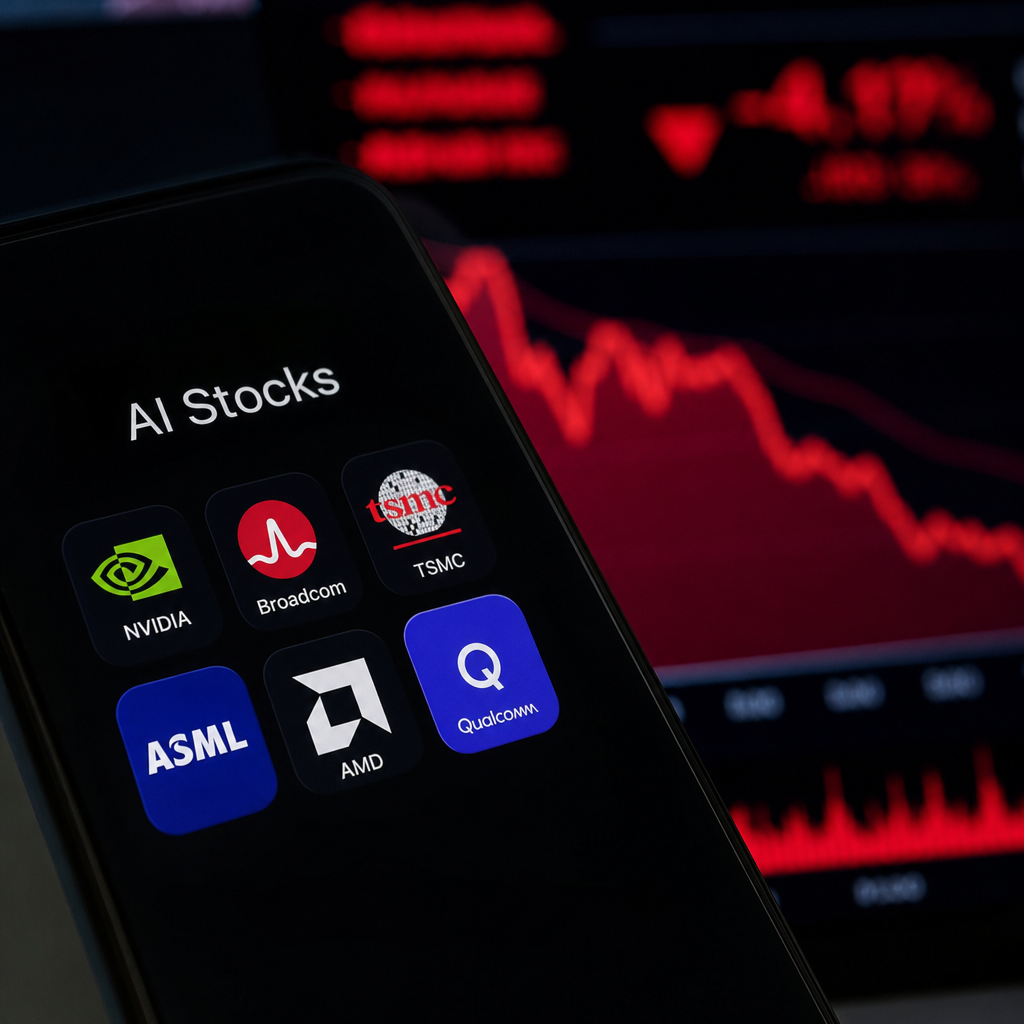
The Tumble of Tech Stocks: What Went Wrong with AI?
In a startling turn of events, tech stocks ended the week with significant losses, marking one of the worst weeks in a year for the sector. Among the core reasons for this downturn is the faltering momentum of artificial intelligence (AI), which many had banked on to propel growth in the industry. As AI’s bullish trajectory hit turbulence, investors and analysts are left pondering the implications for the tech market’s future.

Understanding how AI, once the golden child of tech portfolios, stumbled, requires an exploration of underlying factors and market sentiments. Many stakeholders believed that AI would continue its upward trajectory, but recent developments have cast doubt on the feasibility of AI’s short-term economic impact. Let’s delve into what has transpired and how it unravelled a sector riding high on optimism.

AI: The Hope and the Hurdles
The Promise of AI in the Tech sector
AI was heralded as the great disruptor, promising enhancements across various industries. From automating tasks to providing real-time analytics and advancing machine learning capabilities, the potential for AI seemed boundless. Investors eagerly poured capital into AI startups and ventures, betting on their imminent success.
With tech giants like Google, Microsoft, and Amazon leading AI innovations, the market expected substantial returns. However, as with any groundbreaking technology, the path from promise to profitability can be fraught with challenges.
Unforeseen Challenges Impacting AI
Despite optimistic forecasts, AI has encountered obstacles that dampened its momentum. These include regulatory concerns over privacy and data security, which have hampered the pace of AI integration in sensitive domains. Compliance with new legislation can be both costly and time-consuming, affecting bottom lines.
Additionally, the technical complexity and resource investment required for AI R&D have led to slower than anticipated progress. What initially seemed like a sprint towards advanced AI solutions has become a marathon, testing investor patience and confidence.
When Sentiments Shift: Market Reaction
Investor Expectations versus Reality
The tech sector’s heavy reliance on projected AI growth meant that any faltering could lead to significant repercussions. As AI initiatives began to show slower development, anticipated quick wins morphed into longer-term projects lacking immediate profitability.
Investors, seeking rapid returns, started shifting their assets towards more stable investments. This shift caused a ripple effect, impacting stock prices as AI-centric companies began to revise earnings and growth forecasts downward.
Market Volatility and AI News Cycles
The rapid dissemination of news regarding AI setbacks further exacerbated the situation. A single negative report or analyst downgrade can have a profound impact on investor sentiment, leading to selloffs.
Consequently, market volatility increased, with AI companies experiencing fluctuating stock prices based on the prevailing news cycle. The lack of consistent positive narratives stoked fears of a potential bubble burst, reminiscent of past tech downturns.
Looking Ahead: Strategies for Resilience
Embracing a Long-term Perspective
To navigate the current landscape, tech companies need to adopt a long-term vision when it comes to AI. Rather than promising quick results to appease investors, setting realistic milestones and timelines helps manage expectations and build trust.
Communication is key; maintaining transparency about challenges and progress can strengthen investor relations, keeping stakeholders informed and committed for the journey ahead.
Fostering Diverse Investment Portfolios
Diversification remains a critical strategy to mitigate risks associated with the volatile tech sector. Investors should balance AI ventures with traditional tech stocks and industries showing steady performance.
This diversified approach enables flexibility and stability, securing capitals while waiting for transformative AI technologies to materialize and deliver returns.
Policy, Partnerships, and Innovation
- Policy Adaptation: Working closely with regulators to shape policies that support innovation while prioritizing ethical AI development.
- Strategic Alliances: Partnering with academia and industry peers to share research and accelerate AI advancements.
- Investing in Talent: Attracting skilled professionals who can navigate the complexities of AI, ensuring sustained innovation and breakthroughs.
As the tech industry recalibrates and looks to the future, these strategies can fortify AI momentum, transforming current setbacks into valuable lessons. By approaching AI with cautious optimism and prepared adaptability, both companies and investors can turn turbulence into triumph.
| Key Area | Strategy |
|---|---|
| Investor Relations | Transparent communication and realistic expectation setting |
| Diversification | Balance AI investments with conventional tech stocks |
| Regulation | Collaborate with policymakers for supportive environments |
| Innovation | Invest in R&D and nurture tech talent |