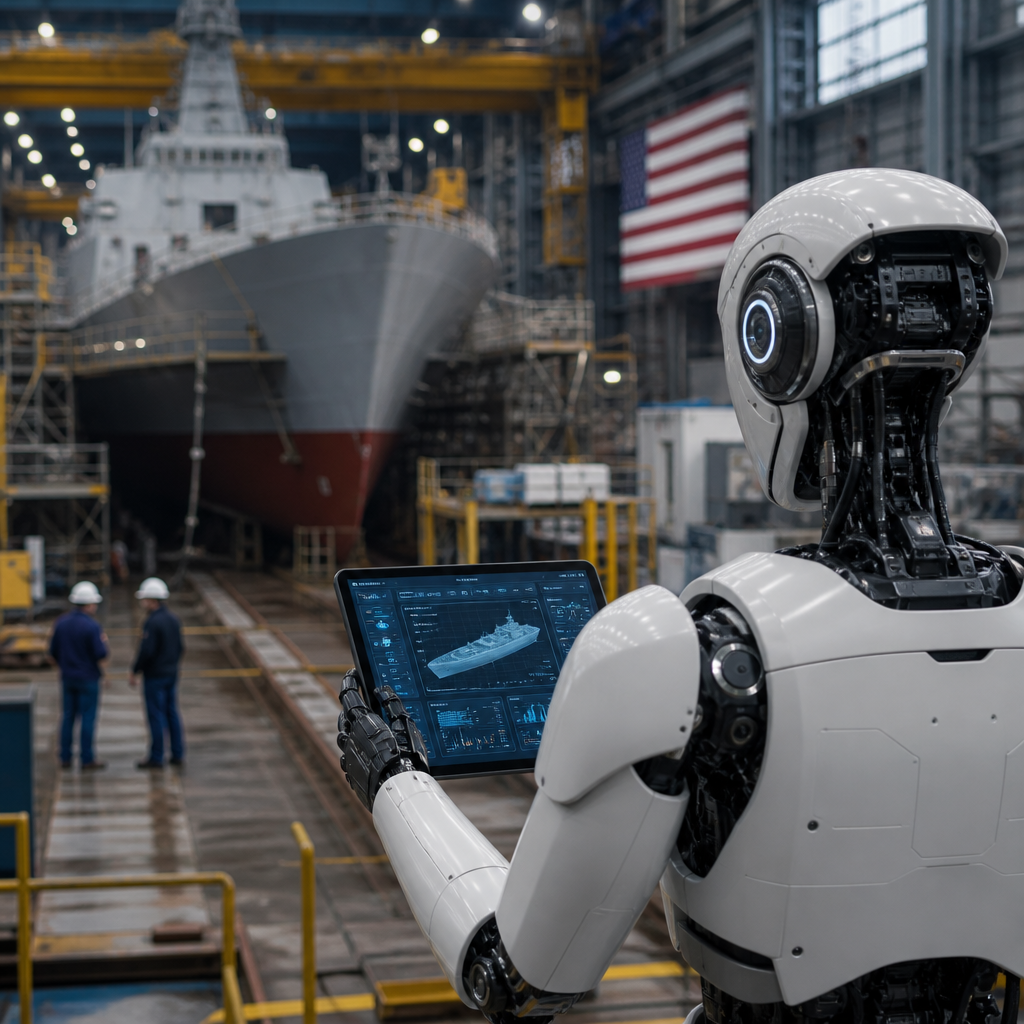
The AI Vibe Shift is Real: Understanding the Growing Backlash
The AI revolution is facing a surprising twist – a vibe shift that has skeptics questioning its role in our lives. Once hailed as the future, AI now finds itself at the center of growing criticism and wariness. But why is this backlash emerging now?

From ethical dilemmas to job disruptions, various factors are contributing to this rising skepticism. To understand this shift, we must delve into the concerns that are reshaping perceptions of AI technology.

AI Ethics and Concerns
Ethical considerations are one of the primary areas fueling the AI backlash. As AI systems become more autonomous, questions about accountability and transparency arise. Who is responsible when AI makes a mistake, and how can we ensure these systems operate fairly?
- Bias in Algorithms: AI algorithms are only as good as the data they are trained on, leading to concerns about inherent biases affecting decision-making.
- Lack of Transparency: Many AI systems operate as black boxes, making it difficult to understand how they reach conclusions.
- Privacy Invasions: The data-hungry nature of AI has raised alarms about privacy violations and constant surveillance.
Impact on Employment
The potential for AI to disrupt the job market is another driving force behind the backlash. Automation promises efficiencies, but at what cost to human workers?
The Rise of Automation
Jobs traditionally reliant on human skills are being replaced by machines, leading to fears of widespread unemployment.
Reskilling Challenges
While some sectors benefit from AI advancements, many workers face the daunting task of reskilling to stay relevant. This transition isn’t seamless, causing anxiety and resistance.
AI in Society: Benefits vs. Risks
As AI permeates various aspects of life, weighing its benefits against potential risks becomes crucial.
- Healthcare: AI-driven diagnostics and treatment plans offer promising advancements, yet ethical and privacy concerns persist.
- Security: AI enhances cybersecurity measures, but also introduces new vulnerabilities and ethical dilemmas.
- Education: Personalized learning with AI tools can revolutionize education, though questions about data use remain.
Table: Common AI Use Cases & Associated Concerns
| Use Case | Benefits | Concerns |
|---|---|---|
| Facial Recognition | Enhanced security, streamlined user experiences | Privacy violations, racial profiling |
| Autonomous Vehicles | Reduced accidents, increased convenience | Safety standards, job losses in transport |
| AI in Healthcare | Improved diagnostic accuracy, personalized treatments | Data privacy, reliance on flawed algorithms |
Moving Forward: Navigating the AI Landscape
As the AI vibe shift gains momentum, it’s essential to address the sources of backlash and find sustainable solutions. Ensuring ethical AI development, promoting transparency, and fostering dialogue between stakeholders are critical steps.
By addressing these concerns head-on, we can harness the potential of AI while mitigating its risks, paving the way for a future where AI and humanity coexist harmoniously.