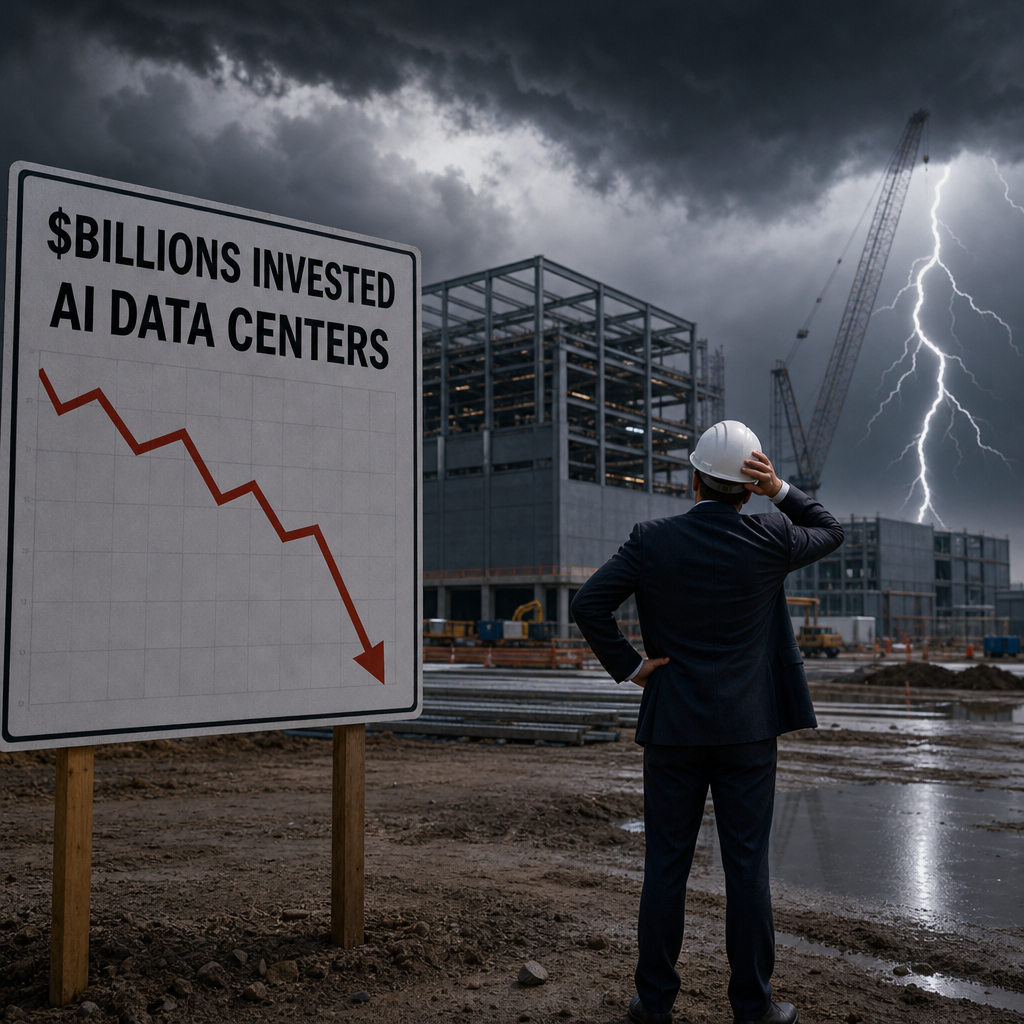
In a world where technology continues to transform the way we live and work, there’s one domain that stands out for its growth and potential: artificial intelligence (AI). With AI increasingly becoming the backbone of innovation, leading tech companies are dramatically ramping up their investments in this arena. However, this surge in spending is outpacing revenue growth, raising important questions about sustainability and future impacts.

Despite the unprecedented amounts being channeled into AI, many tech giants are not seeing an immediate corresponding increase in revenues. This phenomenon sparks curiosity and concern as to why these companies are willing to bet so heavily on technology that has yet to fully prove its profitability at scale. Let’s dive into the intricacies of what’s driving this spending and what it means for the future of Big Tech and society at large.
The Strategic Importance of AI in Tech Giants
Driving Innovation and Competitive Edge
AI represents the frontier of innovation, offering cutting-edge solutions that fundamentally change industry landscapes. For companies like Google, Amazon, and Microsoft, investing in AI is not just about current profits but securing long-term dominance in an increasingly automated world.
As more businesses rely on AI to optimize operations, understand consumer behavior, and deliver personalized experiences, the race is on to develop superior AI technologies. This necessity to stay ahead in the tech race compels companies to pour resources into research and development.
AI’s Role in Revenue Generation
Despite the heavy investments, translating AI advancements into substantial revenue is a gradual process. Many AI applications are still in developmental stages or restricted to niche markets.
The gap between AI spending and revenue can be attributed to the adoption curve and the maturation of emerging AI technologies like autonomous systems and AI-driven analytics.
The Drivers Behind Spiraling AI Expenditures
Research and Development Costs
- R&D represents a significant portion of AI expenditures. Developing sophisticated algorithms and machine learning models requires substantial investments in talent and technology.
- The competitive hiring race for AI experts from academia and industry further escalates costs.
Infrastructure Needs
- Running AI applications is resource-intensive, necessitating investment in high-performance computing infrastructure and data storage solutions.
- The demand for robust cloud services that support AI-driven activities drives massive spending on data centers and related capabilities.
Anticipating the Future: Opportunities and Challenges
Potential Revenue Streams
The culmination of AI investment efforts could unveil new revenue streams through breakthrough innovations and solutions tailored to diverse industries.
The expansion of AI into areas such as healthcare, automotive, and finance offers vast potential for monetization and revenue growth.
Challenges and Risks
The primary risk lies in the uncertainty of achieving desired returns on investment. As AI spending balloons, there’s pressure to deliver results amidst ethical and regulatory considerations.
Balancing rapid progress with responsible deployment and privacy concerns is essential to foster public trust and safeguard future growth.
Conclusion
The trajectory of AI spending compared to tech revenue mirrors a profound belief in AI’s transformative potential. It is a balancing act that requires patience, foresight, and careful navigation of challenges.
As Big Tech continues its AI zeal, society stands on the cusp of transformative changes that promise to shape the future of technology and everyday life.