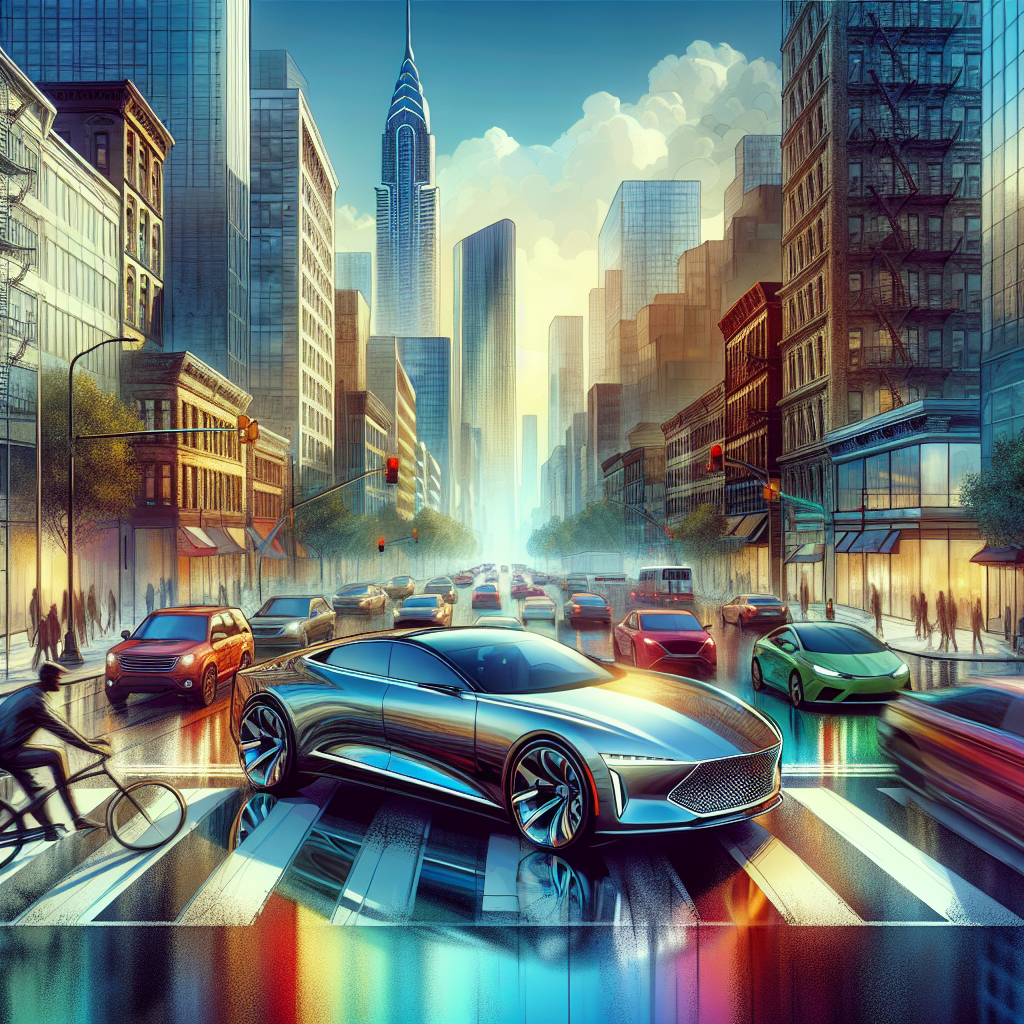
The Electric Drive: How Automobiles Are Leading the Green Revolution
Imagine a world where roads hum with silent electric vehicles, each journey reducing our carbon footprint. This vision is no longer a distant dream but a rapidly approaching reality. The automotive industry is undergoing a transformation, shaped by cutting-edge technologies and sustainable practices.

This shift is not merely about replacing gasoline with electricity; it’s a comprehensive change in how we perceive and interact with our vehicles. From autonomous driving to smart connectivity, the future of automobiles promises not only to revolutionize transportation but to fundamentally change our way of life.
The Evolution of Electric Vehicles (EVs)
History and Growth
Electric vehicles have evolved from quirky inventions to mainstream necessities. Initially seen as a niche market, the rise of environmental consciousness has catapulted EVs into the spotlight. Today, major manufacturers are investing heavily in eliminating traditional combustion engines.
Technological Advancements
Innovation in battery technology is at the heart of the EV revolution. Longer-lasting, faster-charging batteries are making electric vehicles a viable option for more consumers. Companies like Tesla, BYD, and Nissan lead the charge with improved range and efficiency.
Autonomous Vehicles: The Road Ahead
Current State and Challenges
Autonomous vehicles promise to transform our commutes into productive or leisurely activities. Despite advances, full autonomy faces hurdles such as regulatory approvals and technological reliability. Safety concerns and infrastructure readiness also play significant roles.
The Path to Automation
- Stage 1: Driver Assistance – Basic systems like cruise control and lane-keeping.
- Stage 2: Partial Automation – Enhanced safety features with limited autonomous functions.
- Stage 3: Conditional Automation – Hands-off driving in certain conditions.
- Stage 4: High Automation – Vehicles capable of handling most driving scenarios.
- Stage 5: Full Automation – Complete autonomy without any human intervention.
Challenges Facing the Automobile Industry
Environmental Impact and Regulations
With the automotive sector accounting for significant emissions, stricter regulations are pushing for greener solutions. Policies like Europe’s Green Deal emphasize reducing pollution through sustainable mobility practices.
Economic Factors and Market Trends
The economic landscape also influences the automobile industry. Global supply chain disruptions and shifting consumer preferences are challenging traditional business models. Adapting quickly holds the key to resilience.
The Impact of Connectivity in Automobiles
Smart Features and User Experience
Connected vehicles offer enhanced safety and entertainment options through smart interfaces. Real-time data assists in navigation, accident prevention, and informed decision-making for drivers.
Privacy and Security Concerns
- Data handling and user consent regulations.
- Protecting vehicle systems from cybersecurity threats.
- Ensuring robust software updates and maintenance.
A Glance into the Future: Emerging Trends
Urban Mobility Innovations
Urban centers are evolving, integrating shared mobility and public transport solutions. E-bikes, scooters, and car-sharing services complement the automotive ecosystem, offering diversified transport options.
The Rise of Hydrogen Fuel Cells
While electric power dominates discussions, hydrogen fuel cells are gaining traction as an alternative. They promise longer range and faster refueling, presenting another dimension in sustainable transportation.
| Traditional Vehicles | Electric Vehicles | Hydrogen Fuel Cells |
|---|---|---|
| Gasoline Engine | Battery-Powered Motor | Hydrogen-Powered Motor |
| High Emissions | Zero Emissions | Water Vapor Emission |
| Long Refueling Time | Long Charging Time | Mirrored with conventional time |
The future of automobiles is a blend of electrification, autonomy, and connectivity. It challenges companies and consumers to embrace change and drive towards a sustainable tomorrow. The journey will not only redefine the way we move but also pave the way for a cleaner, smarter, and interconnected world.